banner

Dag 3: Het koninglijk complex

Home Biota: what is it? Animals Plants Birds NL EN

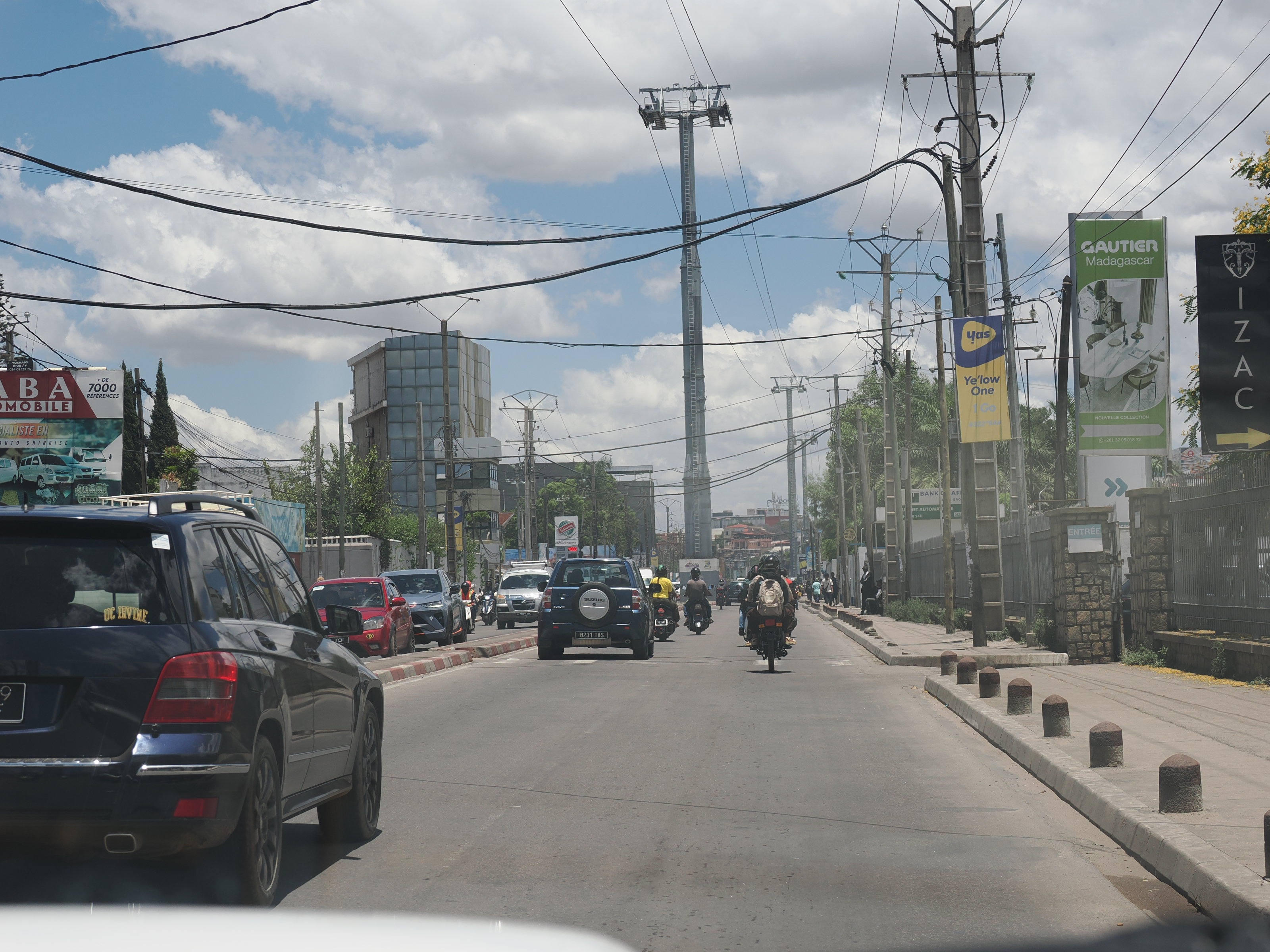
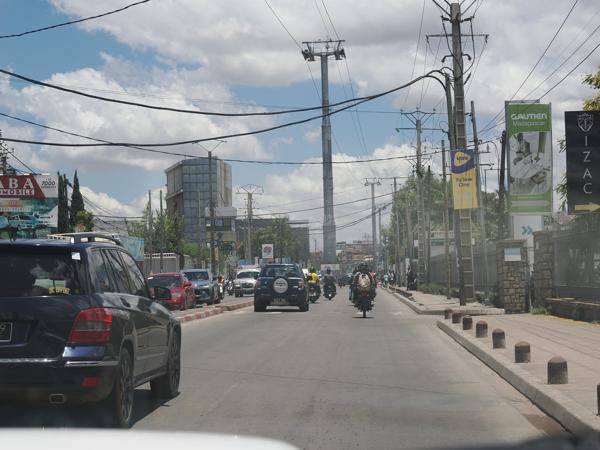
Today according to the lodge's program. We start with a visit to the UNESCO World Heritage site of Ambohimanga Rova, where the princes lived. Afterwards, we go to Haute Ville, the upper town where we also expected a park, but it was only a viewpoint. We did get an impression of the city of millions, though. It was very busy, with many people and single-axle wagons pulled by people. The last visit was to another old fortress, but it was closed. Fortunately, there were birds there.

1 / 15
2 / 15
3 / 15
4 / 15
5 / 15
6 / 15
7 / 15
8 / 15
9 / 15
10 / 15
11 / 15
12 / 15
13 / 15
14 / 15
15 / 15

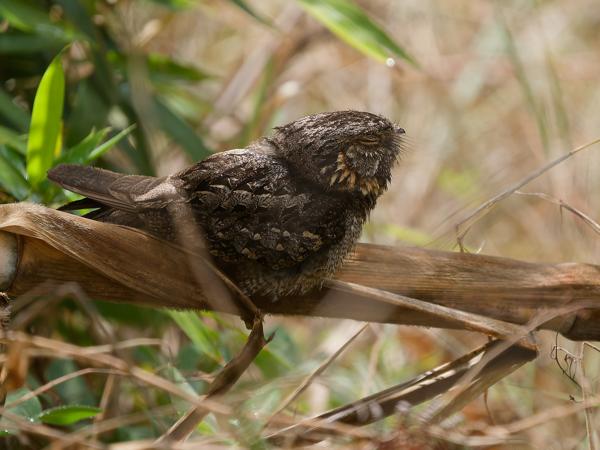
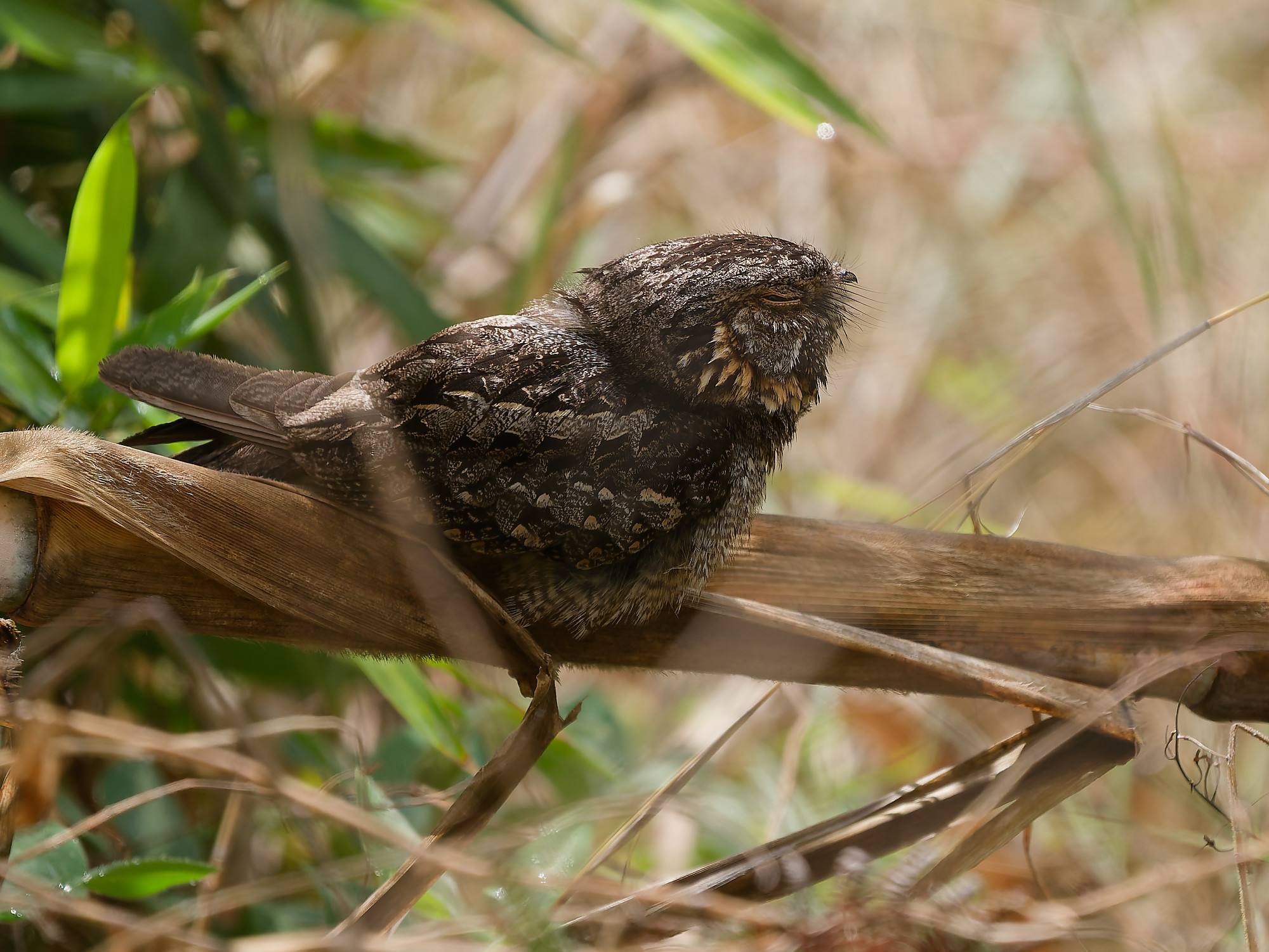
<h3>Caprimulgus madagascariensis / Madagascar nightjar / Madagaskarnachtzwaluw</h3>OM-1 Mark II with OLYMPUS M.150-400mm F4.5, 1/1600 sec at F4.5, ISO 500, distance 8.87 m
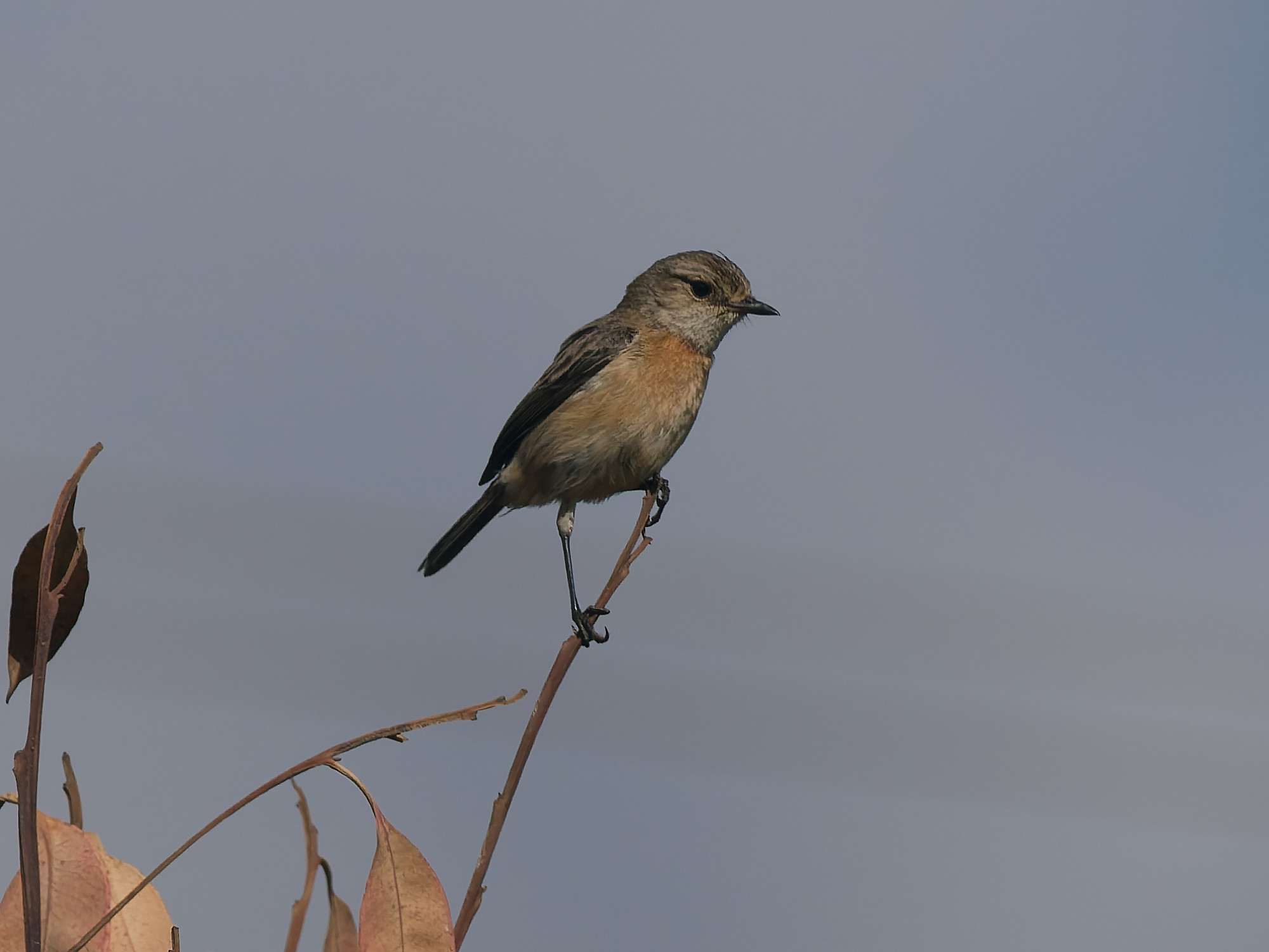
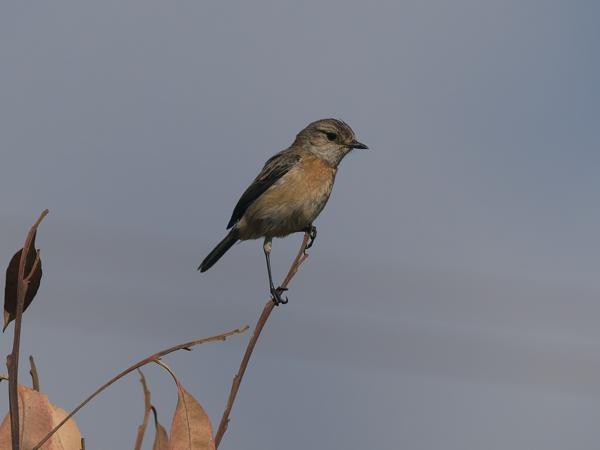
<h3>Saxicola torquatus / African stonechat / Afrikaanse roodborsttapuit</h3>OM-1 Mark II with OLYMPUS M.150-400mm F4.5, 1/4000 sec at F7.1, ISO 500, distance 19.7 m
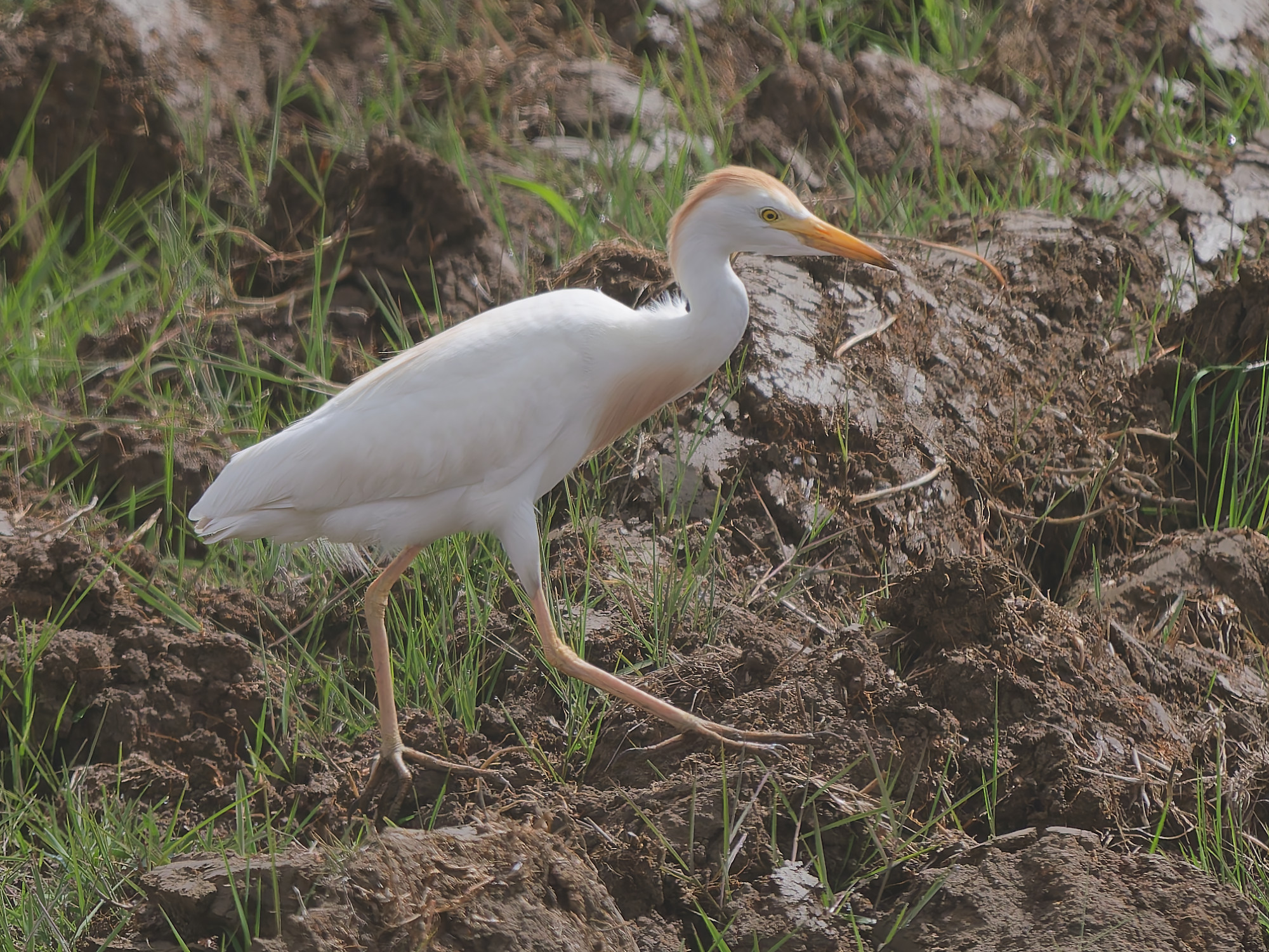
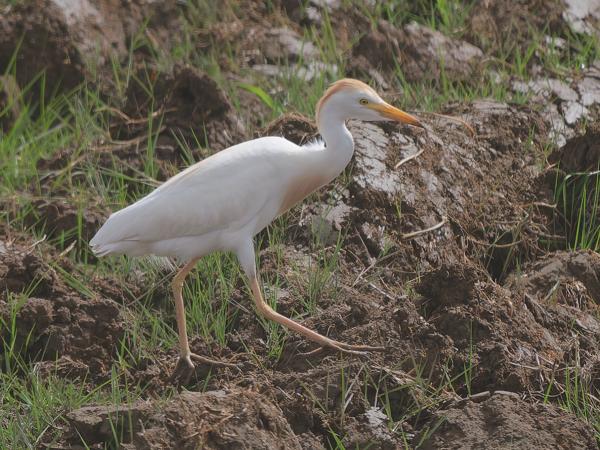
<h3>Ardea ibis / Western cattle egret / Koereiger</h3>OM-1 Mark II with OLYMPUS M.150-400mm F4.5, 1/1600 sec at F4.5, ISO 500, distance 39.0 m
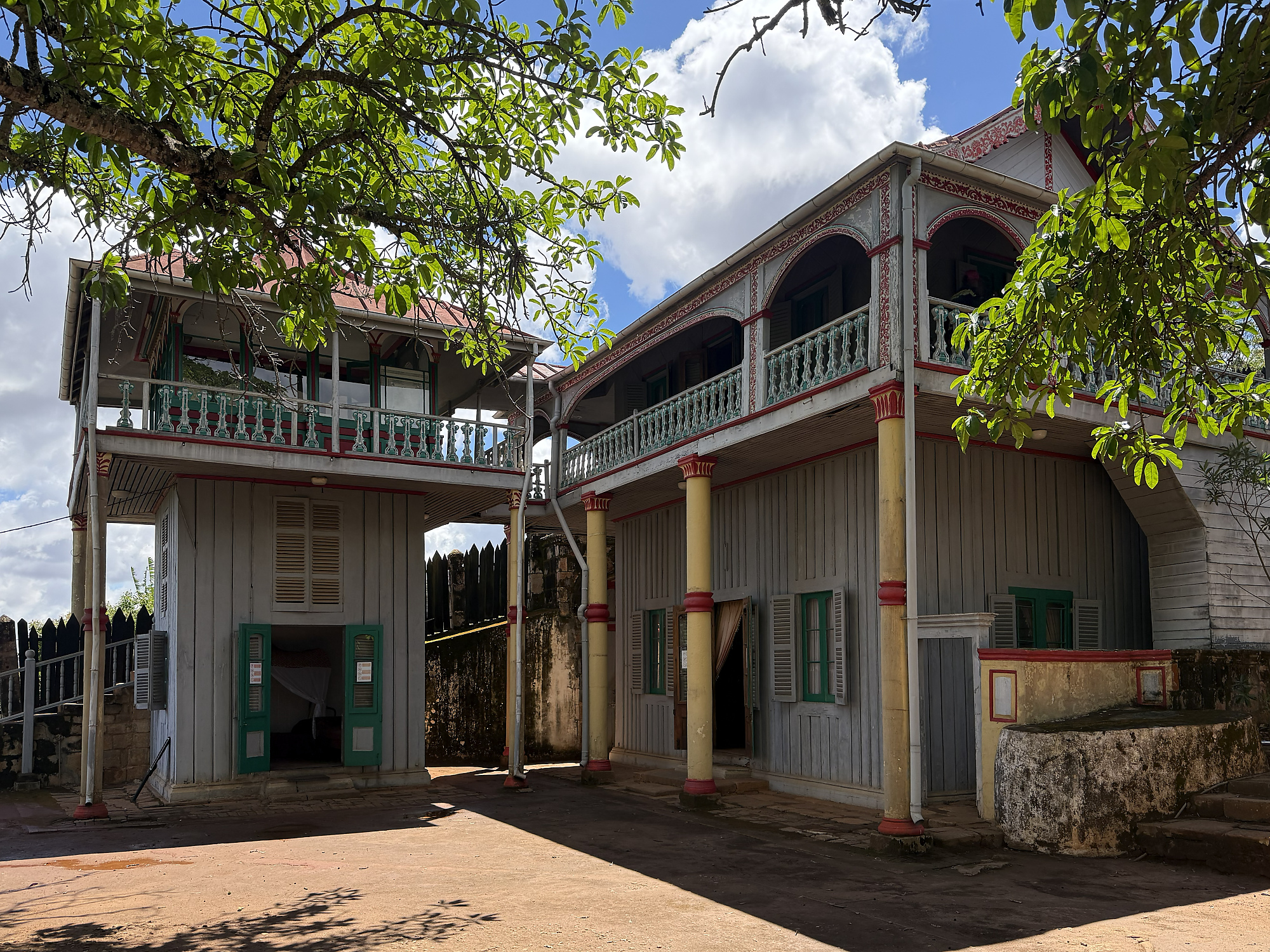
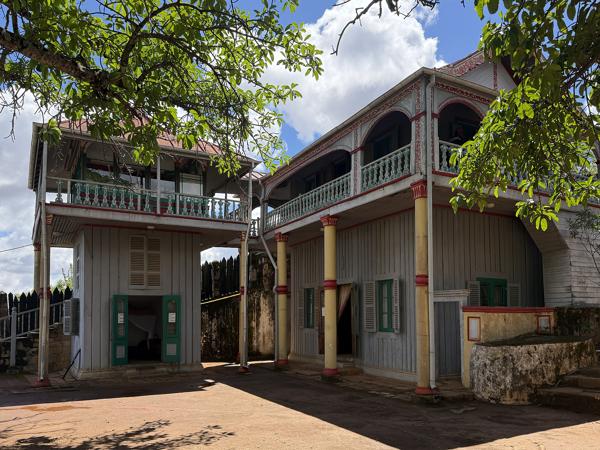
<h3>The guest accommodations</h3><p>The king had contacts in the East, as can be seen from the Asian-style quarters. On the right is the quarters for the queen, on the left for guests.</p>Apple with iPhone 16 Pro back triple camera 6.765mm f/1.78, 1/2445 sec at F1.8, ISO 100
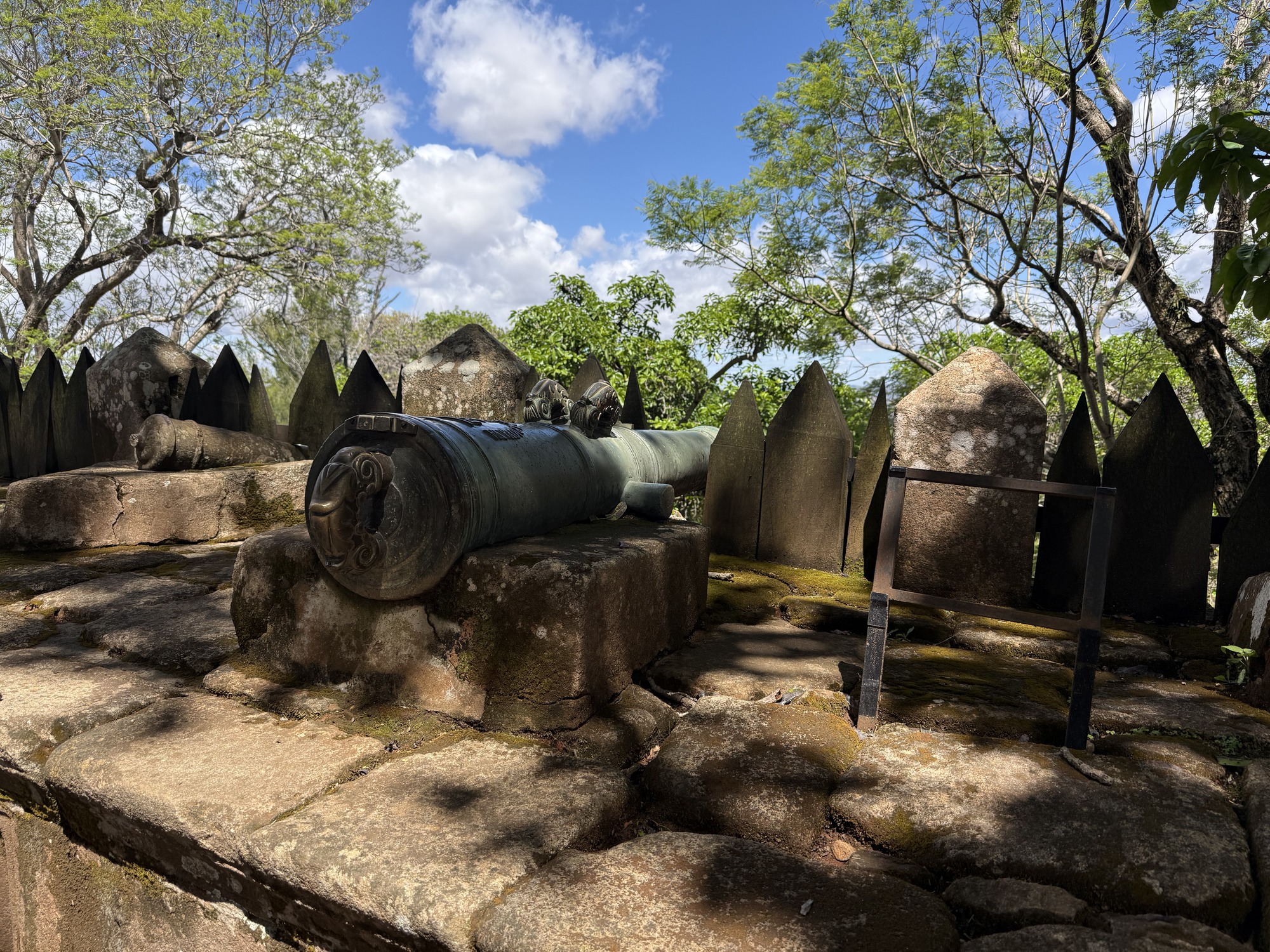
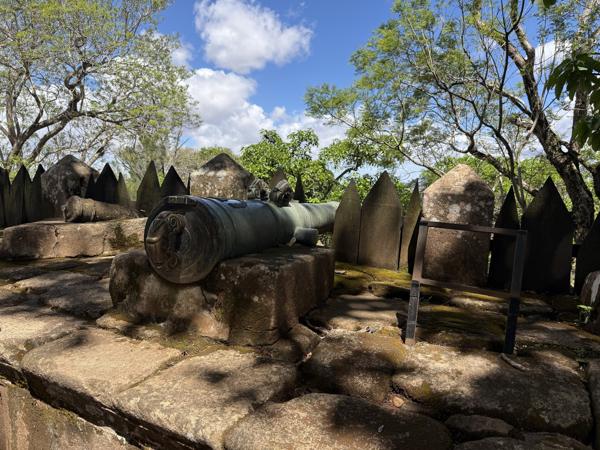
<h3>Cannons</h3><p>The cannons come from the Western world. Madagascar was a French territory, and over the years the French consolidated more power. The Malagasy rulers were most powerful in the 18th century. After that, there were more French influences. It did not become truly French until 1890, remaining so until independence in 1960.</p>Apple with iPhone 16 Pro back triple camera 6.765mm f/1.78, 1/2525 sec at F1.8, ISO 80
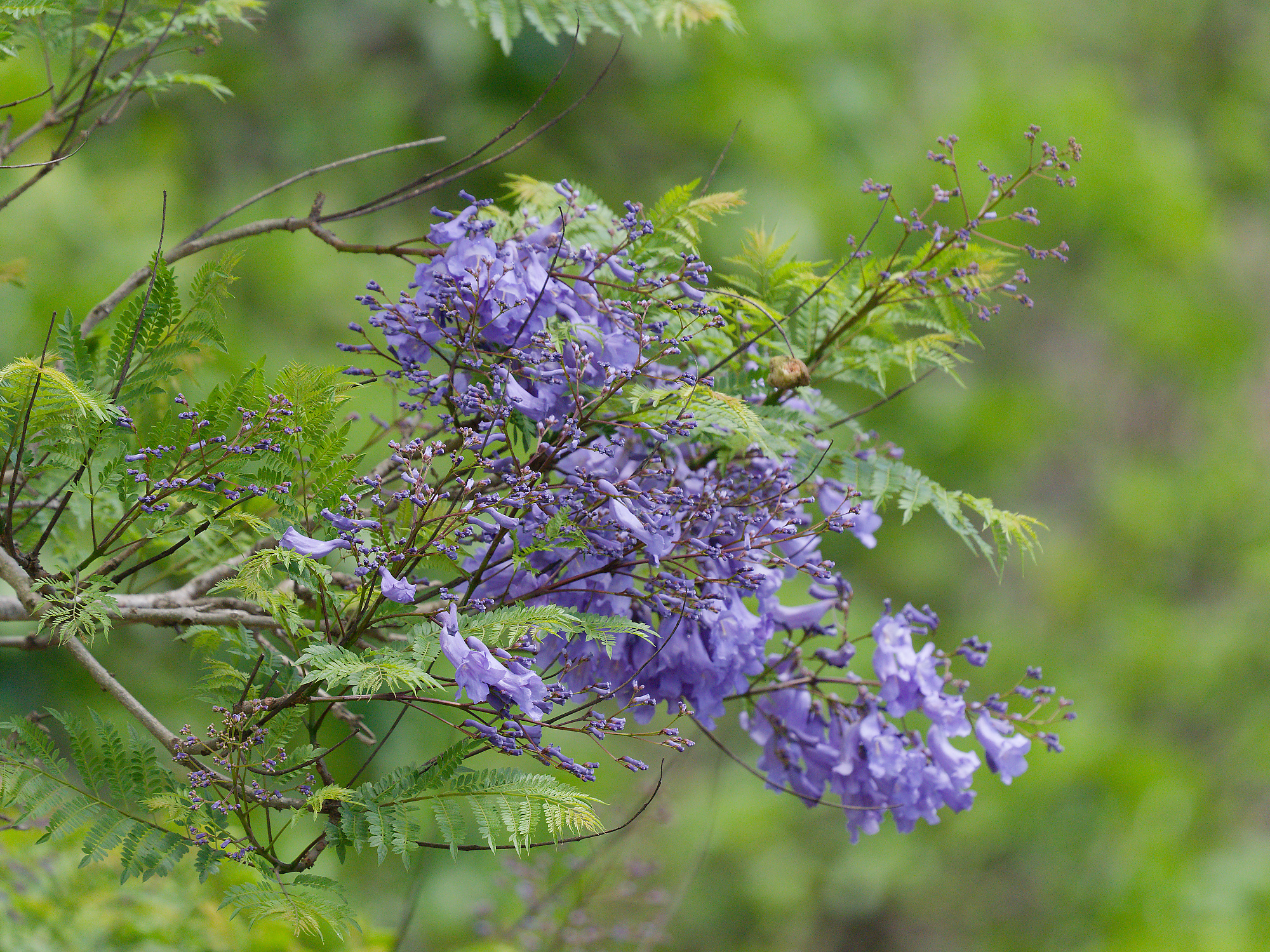
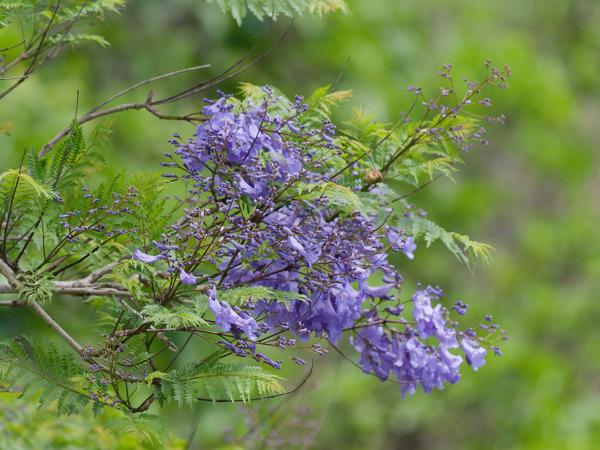
<h3>Jacaranda mimosifolia / Black poui / Palissanderboom</h3><p>The tree originates from South America and was brought by the French to replace native fig trees, which in the Merina culture were associated with kings and ancestors. Additionally, the trees stand around the monument to the victims of the First World War. It is therefore called "the tree of misfortune" in Madagascar.</p>OM-1 Mark II with OLYMPUS M.150-400mm F4.5, 1/1600 sec at F4.5, ISO 1250, distance 7.22 m
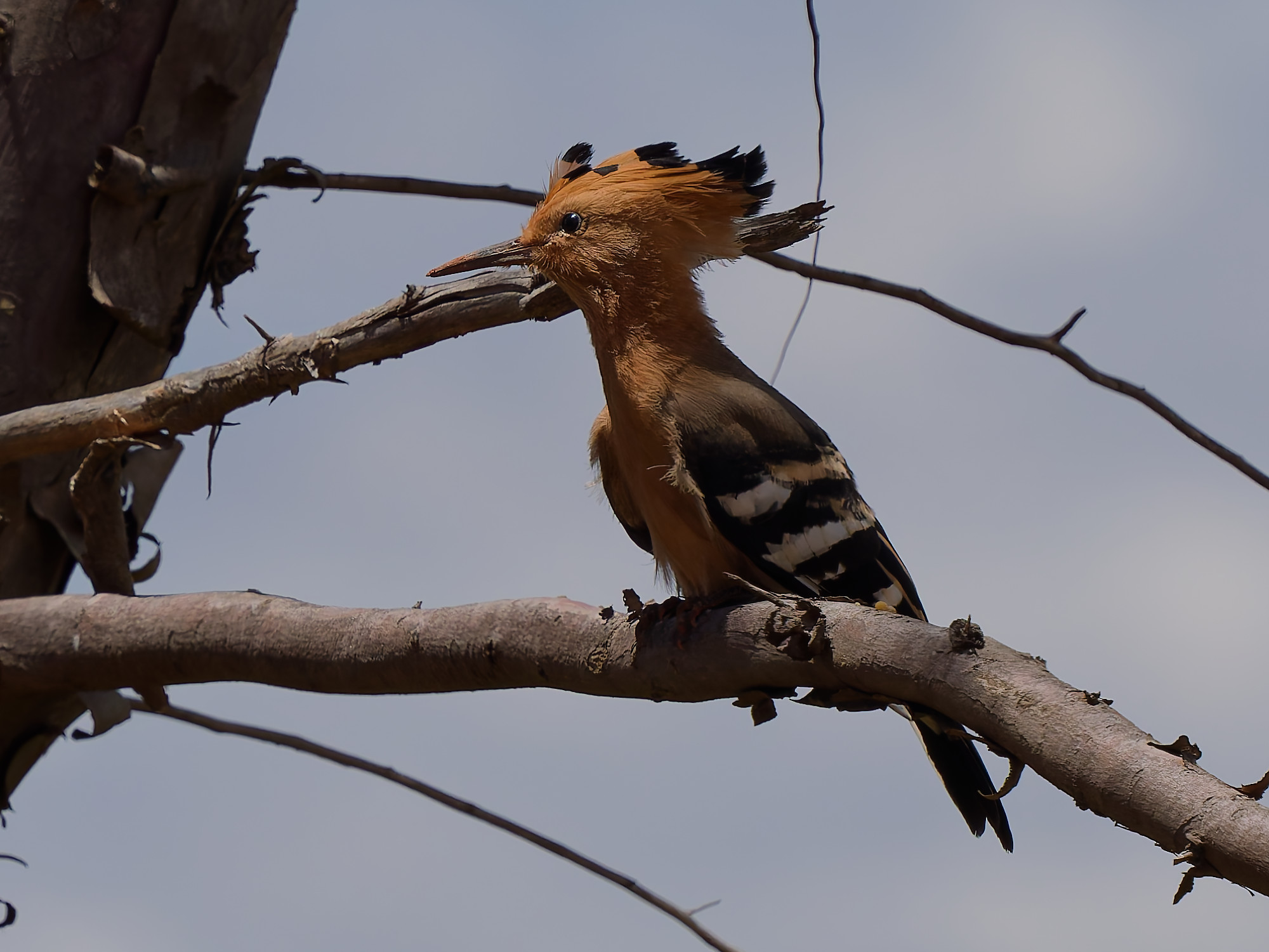
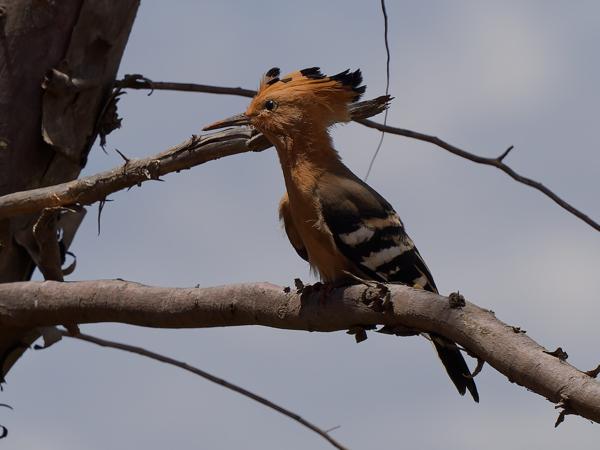
<h3>Upupa marginata / Madagascar hoopoe / Madagaskarhop</h3>OM-1 Mark II with OLYMPUS M.150-400mm F4.5, 1/3200 sec at F6.3, ISO 500, distance 12.0 m
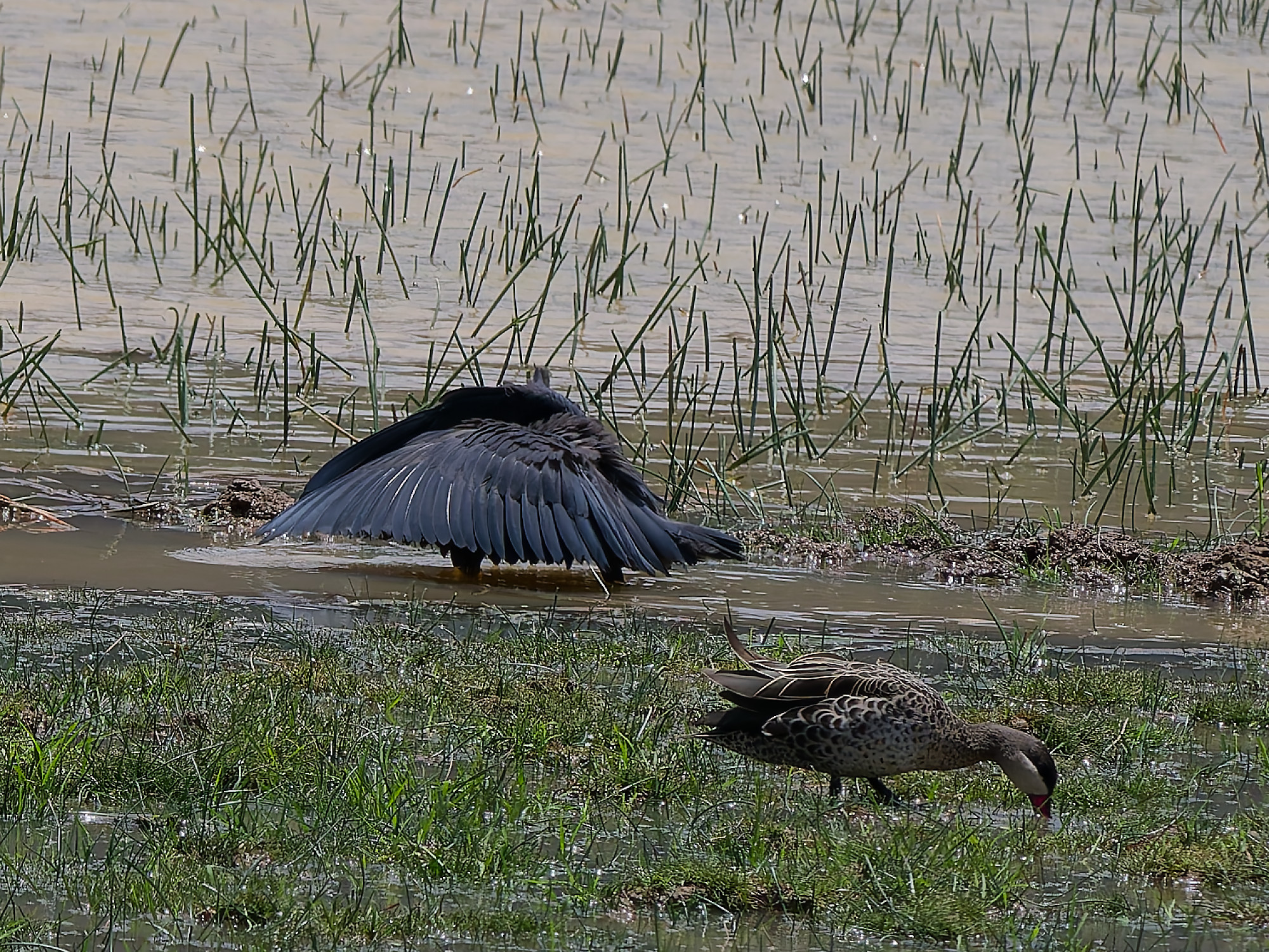
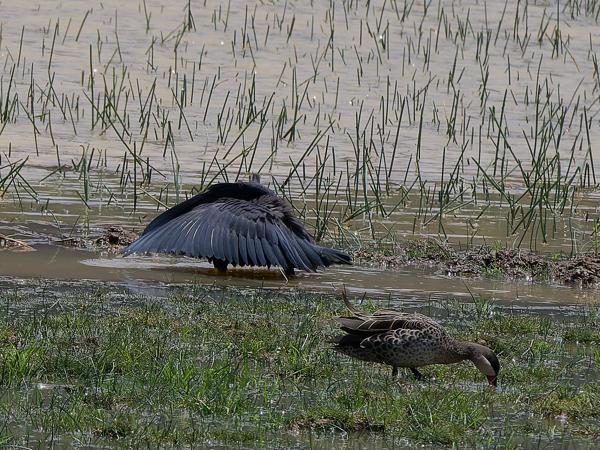
<h3>Egretta ardesiaca / Black heron / Zwarte reiger</h3>OM-1 Mark II with OLYMPUS M.150-400mm F4.5, 1/3200 sec at F6.3, ISO 500, distance 95.7 m
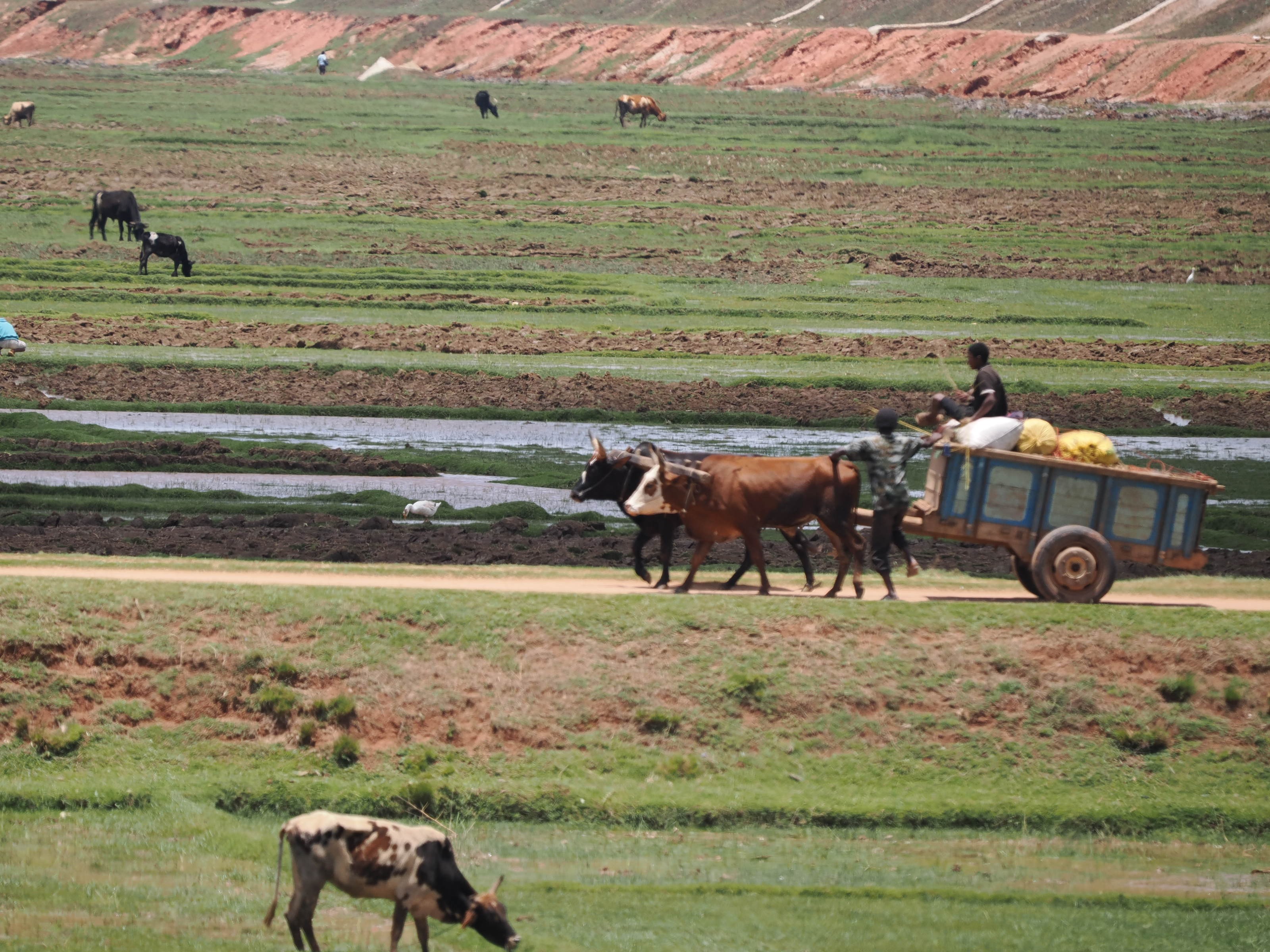
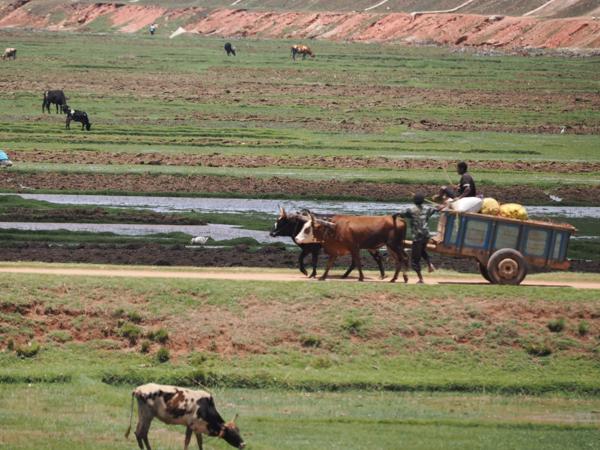
<h3>An ox cart</h3>OM-1 Mark II with OLYMPUS M.150-400mm F4.5, 1/2000 sec at F5.0, ISO 500
<h3>Stadsverkeer</h3>OM-1 with OLYMPUS M.12-100mm F4.0, 1/1000 sec at F5.6, ISO 200, distance 16.9 m
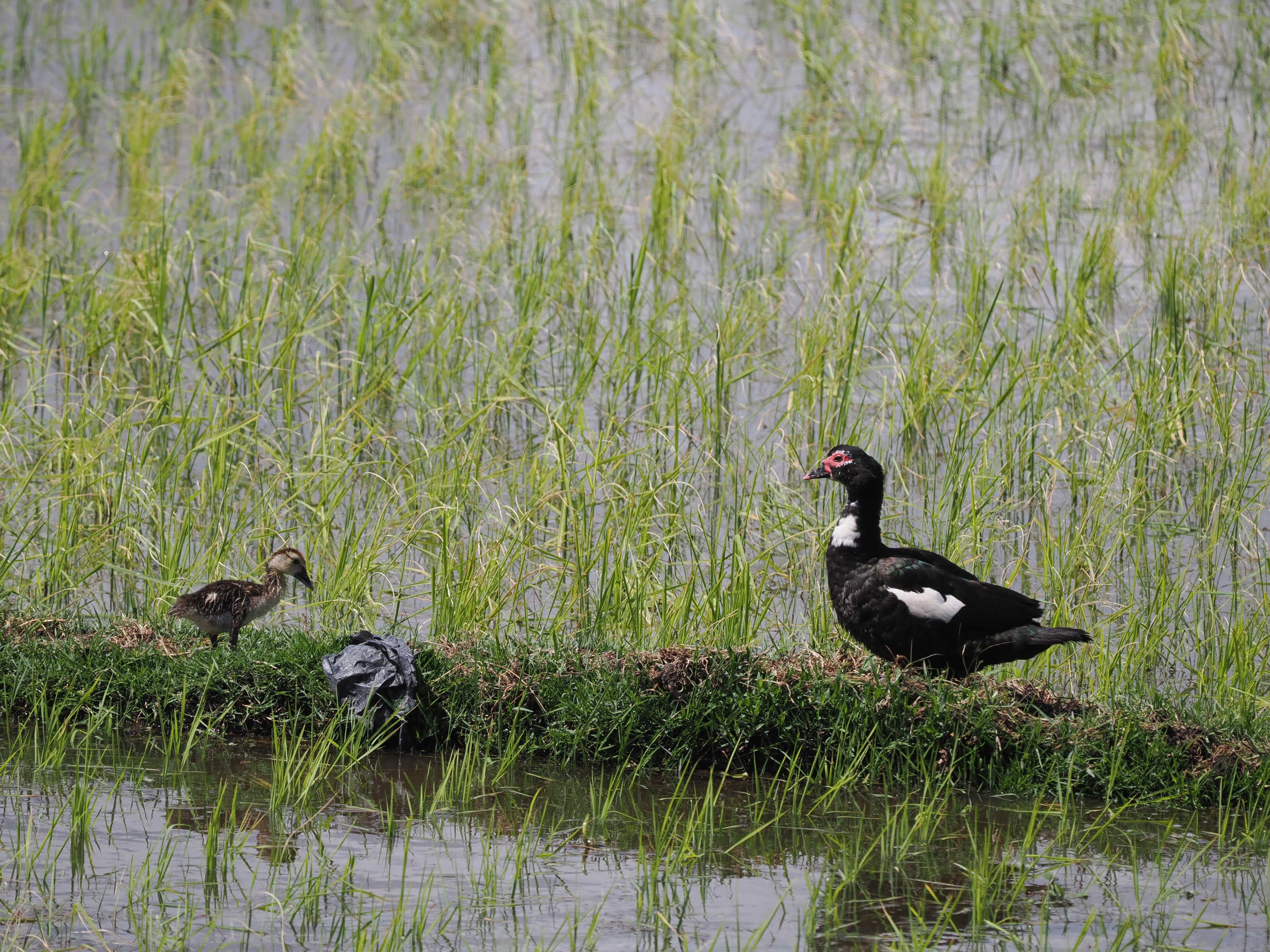
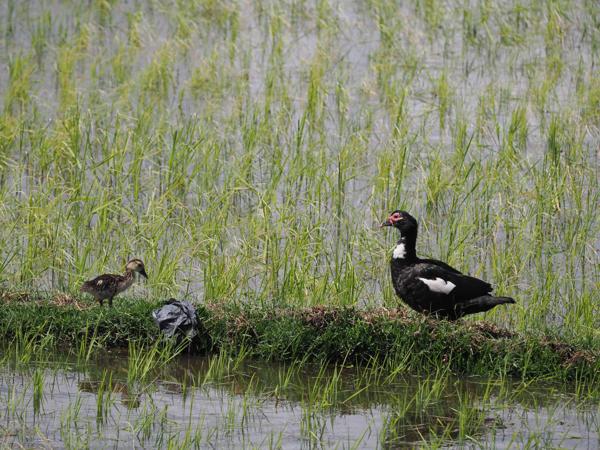
<h3>Cairina moschata / Muscovy duck / Muskuseend</h3>OM-1 Mark II with OLYMPUS M.150-400mm F4.5, 1/2500 sec at F5.6, ISO 500, distance 42.2 m
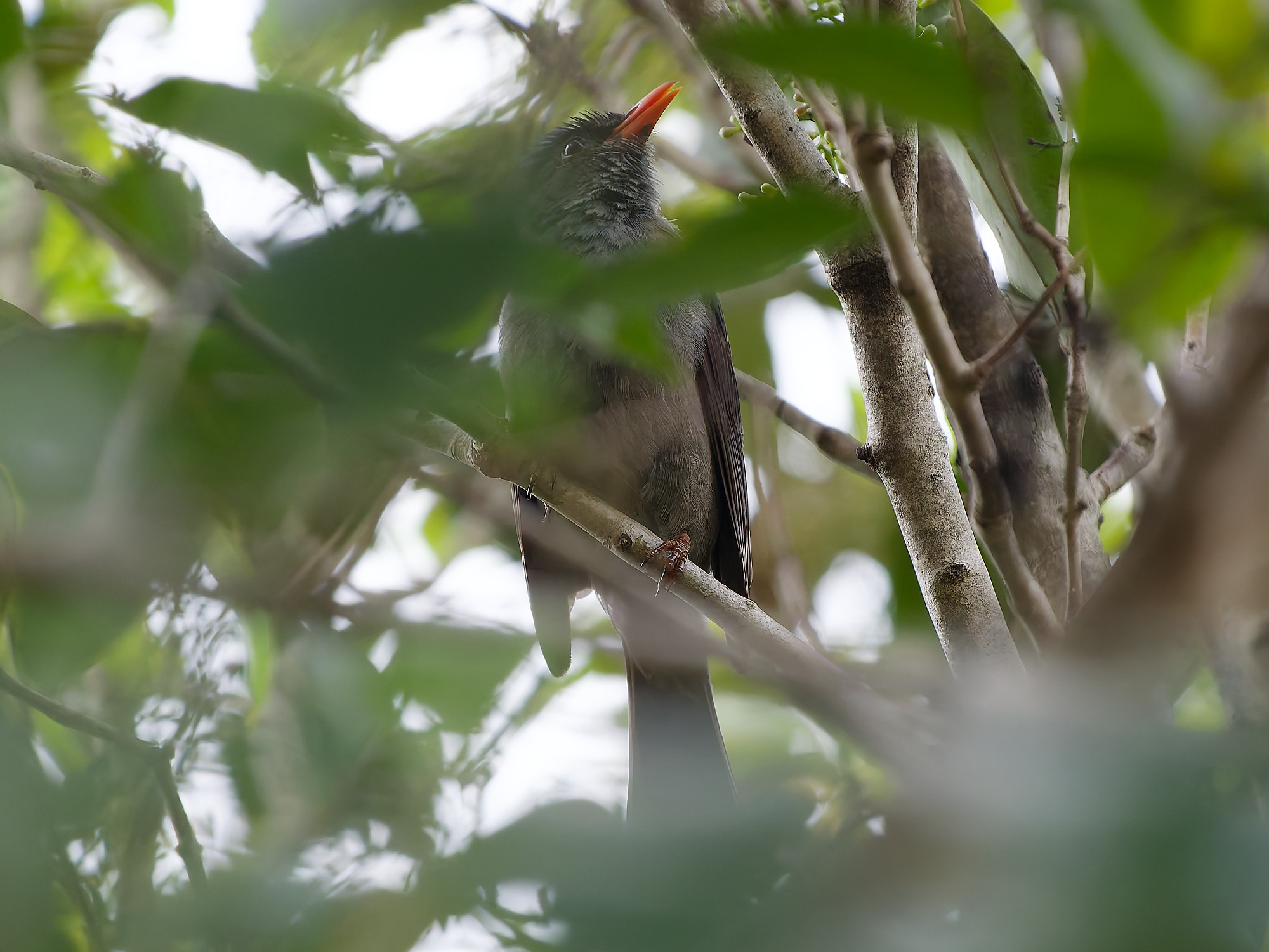
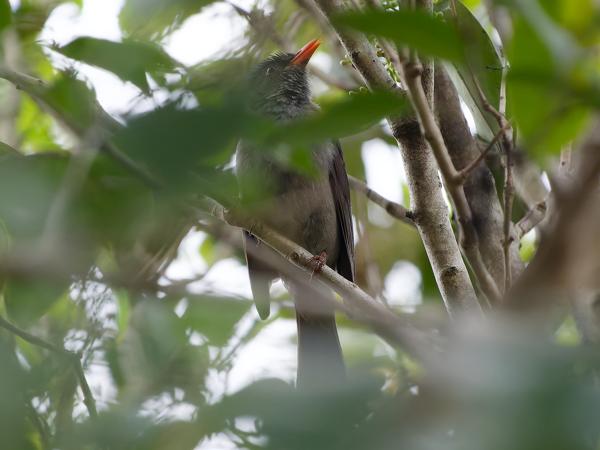
<h3>Hypsipetes madagascariensis / Malagasy bulbul / Zwarte buulbuul</h3>OM-1 Mark II with OLYMPUS M.150-400mm F4.5, 1/1250 sec at F4.5, ISO 5000, distance 10.6 m
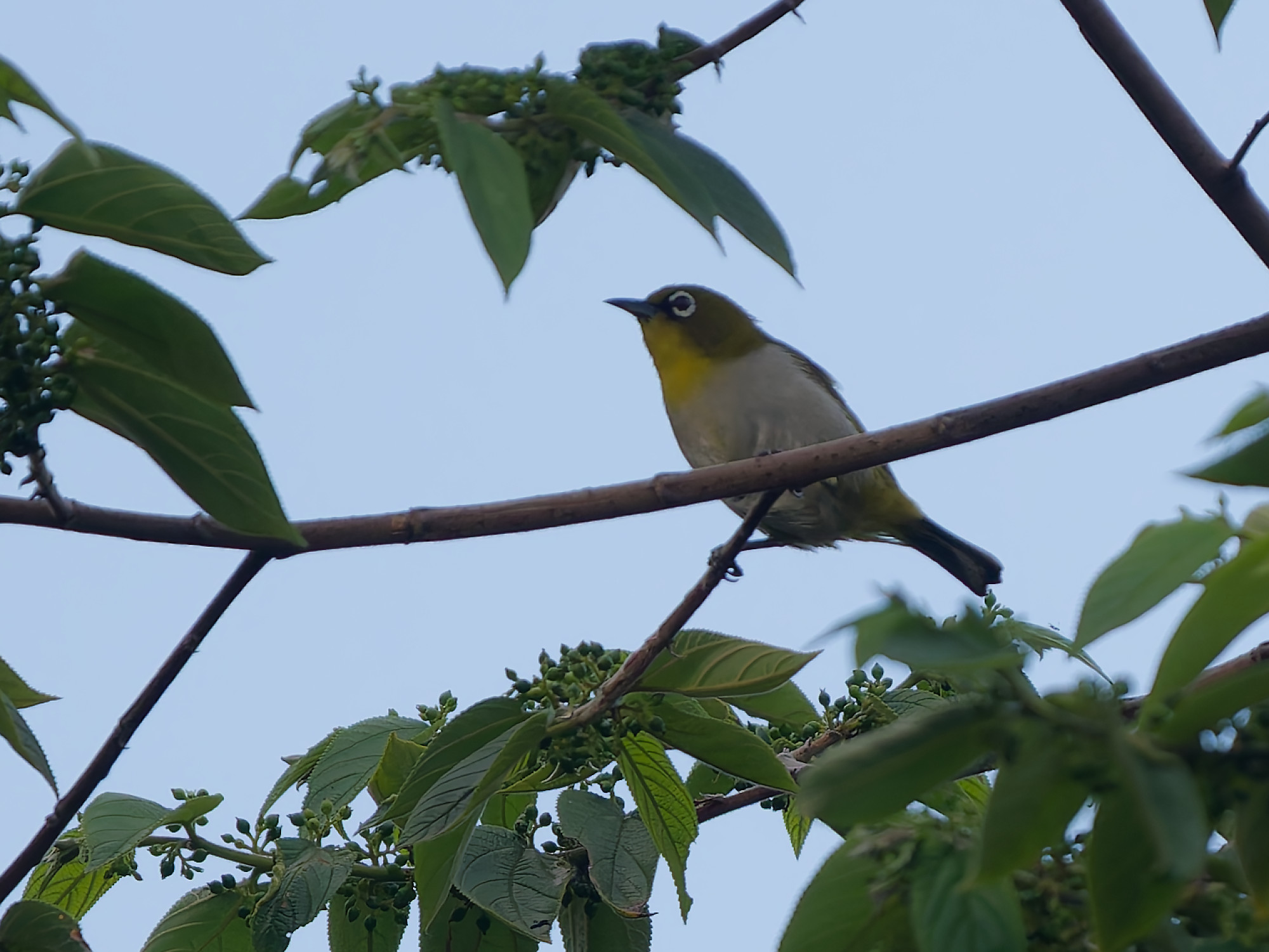
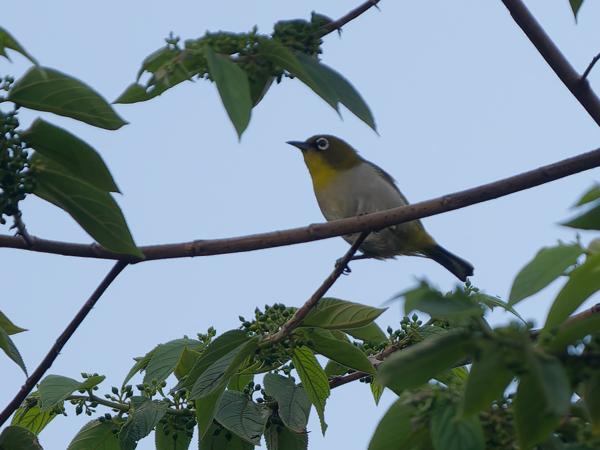
<h3>Zosterops maderaspatanus / Malagasy white‑eye / Madagaskarbrilvogel</h3>OM-1 Mark II with OLYMPUS M.150-400mm F4.5, 1/1600 sec at F4.5, ISO 640, distance 20.7 m
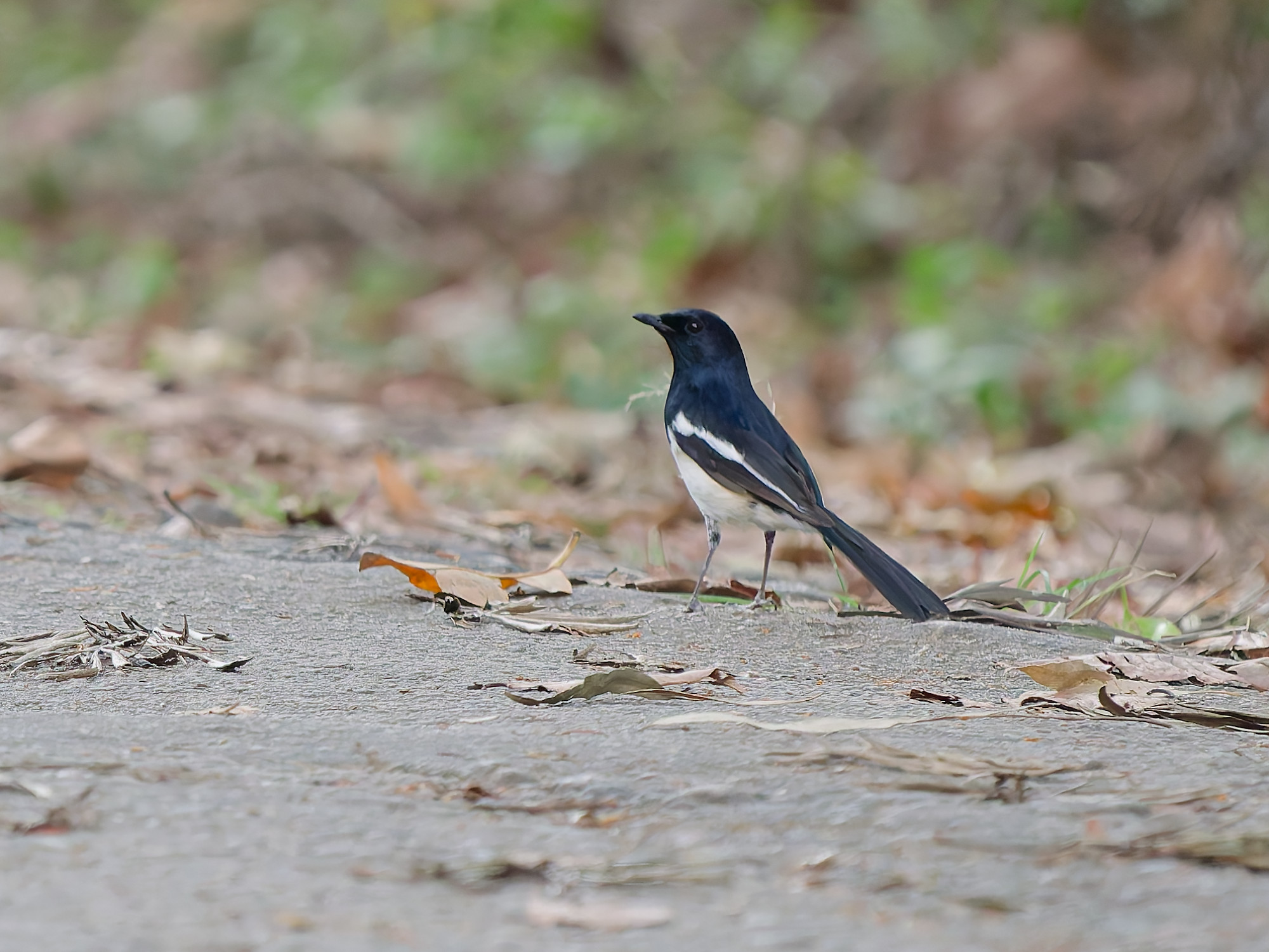
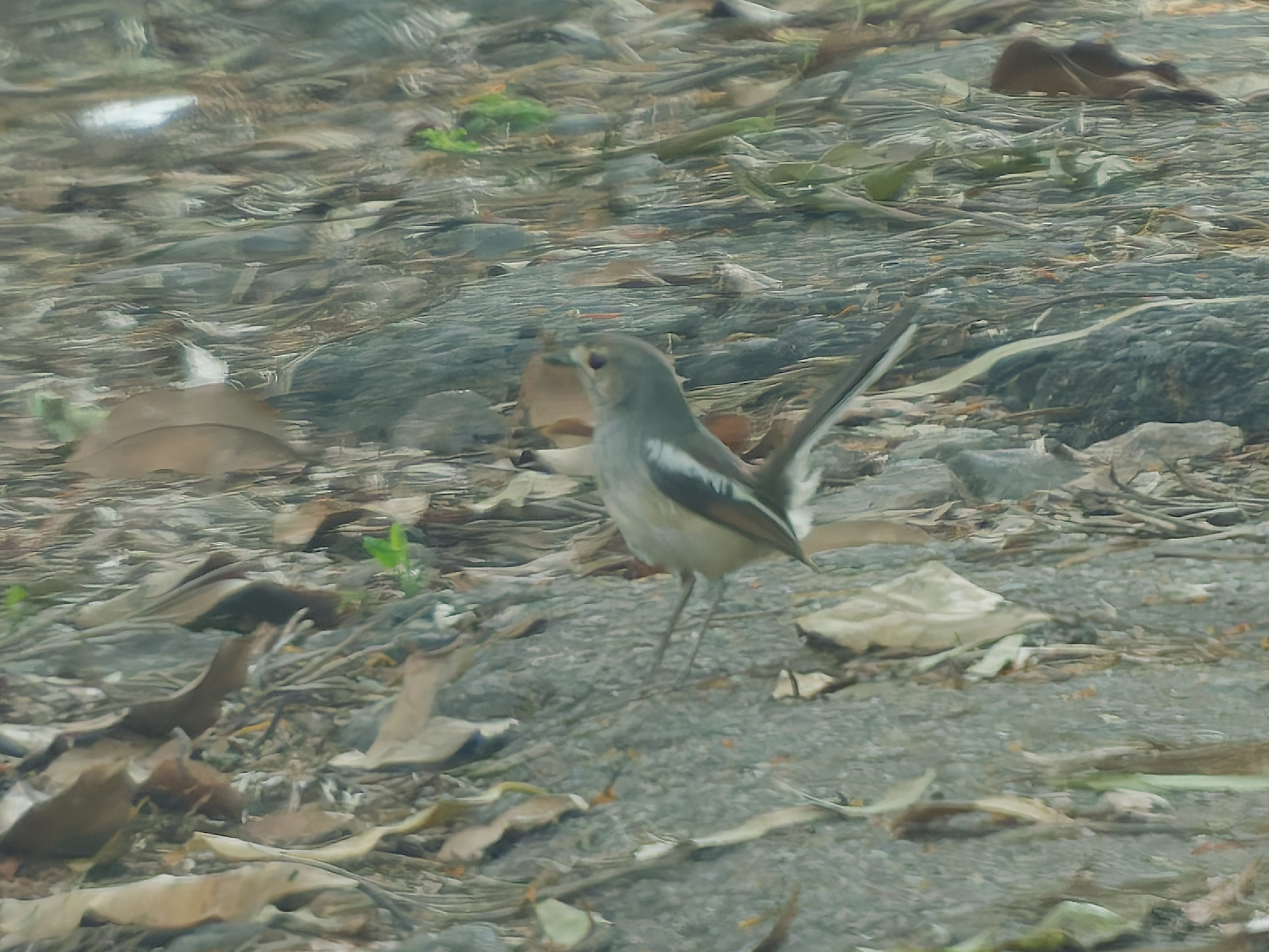
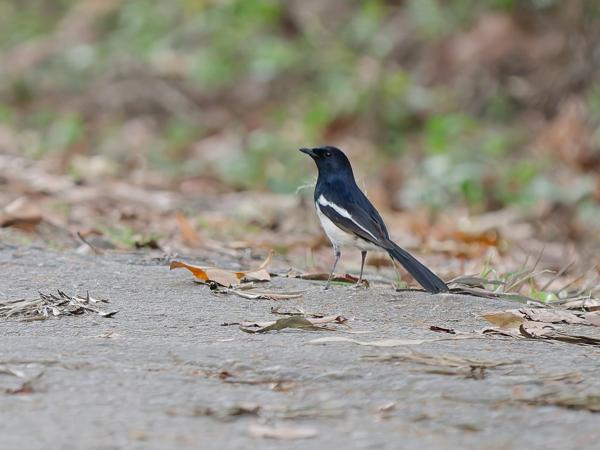
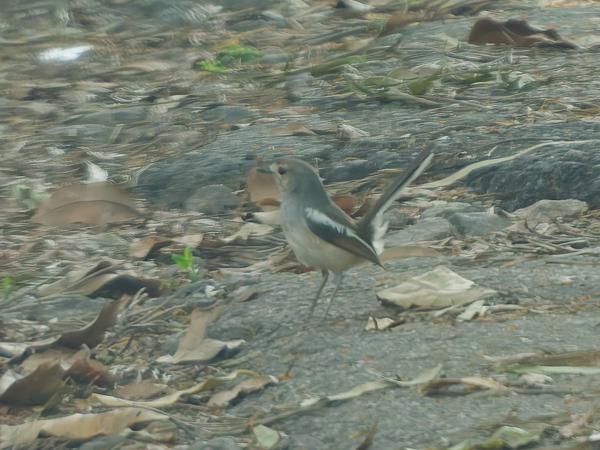
<h3>Copsychus albospecularis / Madagascar magpie‑robin / Madagaskardayallijster</h3>OM-1 Mark II with OLYMPUS M.150-400mm F4.5, 1/800 sec at F4.5, ISO 5000, distance 27.5 m
<h3>Copsychus albospecularis / Madagascar magpie‑robin / Madagaskardayallijster</h3>OM-1 Mark II with OLYMPUS M.150-400mm F4.5, 1/640 sec at F4.5, ISO 5000, distance 18.9 m

Click on one of the small photos to view a photo, or browse through the photos using the white buttons on the left and right of the large photo.

Previous Blog  |  Next Blog